Tag
20 articles
Artists who have chosen to protect their work from AI training are now finding new ways to collaborate with technology, thanks to a surprising turn of events. Cara, an art portfolio platform designed specifically for creators who want to maintain control over their work, has been targeted by trolls who scraped and published its data without consent.
Prominent YouTube creators are facing backlash for promoting AI tools in their videos, sparking debate about authenticity and the future of creative content.
A new study shows that readers can't tell the difference between AI and human-written short stories—until they learn the author is a machine. Ratings drop significantly once the source is revealed.
Learn how ChatGPT is changing its approach to writing in the style of famous authors, and why this matters for creativity and copyright.
This article explains the advanced AI concepts behind generative music systems like Suno, exploring how neural networks learn musical patterns and why their outputs can be technically impressive yet emotionally hollow.
Roblox launches an AI-powered game-creation feature called 'Build' in its mobile app, allowing users to generate basic games using text prompts.
Google introduces Nano Banana 2 Lite, a faster and cheaper AI image generator aimed at making AI content creation more accessible to creators.
This article explains the technical concepts behind AI-generated entertainment and why the Oscars have ruled that such content is ineligible for awards, examining the philosophical and institutional challenges of artificial creativity.
ComfyUI reaches $500M valuation after raising $30M, as creators seek more control over AI-generated media. The platform offers granular customization for AI image, video, and audio generation.
ChatGPT Images 2.0 delivers impressive improvements in accuracy and text handling, making it a useful tool for branding and infographics, though occasional inaccuracies remain.
A survey of 81,000 Claude users shows that new AI capabilities are valued more than speed, but creatives feel left behind by the technology.
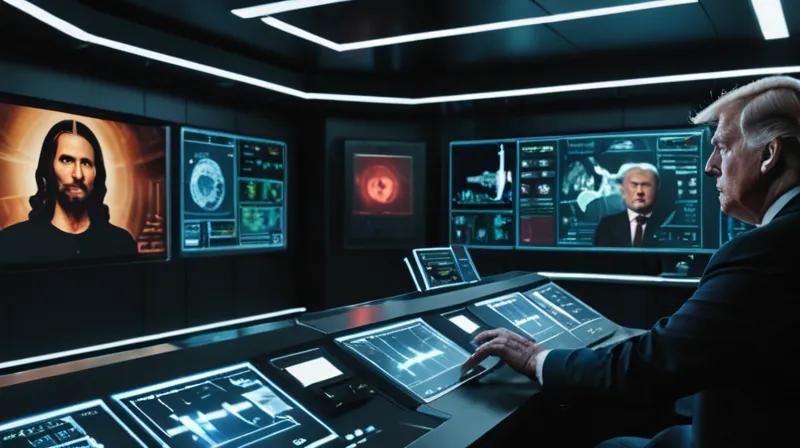
This explainer explains how AI-generated art works, using the example of AI-created Trump-Jesus fan art to illustrate the technology's capabilities and implications.