Tag
48 articles
Learn how GitHub's Project HydraFusion uses multiple AI models to create smarter, more flexible coding workflows in Copilot CLI.
Anthropic introduces Claude Fable 5.1 and Mythos 5.1, featuring enhanced coding and research capabilities, and up to 45% cost reduction for long AI runs.
This article explains how AI coding tools like Cursor work, and how business decisions — especially those involving powerful leaders like Elon Musk — can affect access to these tools.
Meta's new free coding app Vibe allows users to create mini games and interactive projects without any programming experience. The visual interface makes game development accessible to beginners, potentially inspiring a new generation of creators.
Learn how Replit is making programming more accessible by providing a web-based platform where anyone can code, collaborate, and experiment without complex setup.
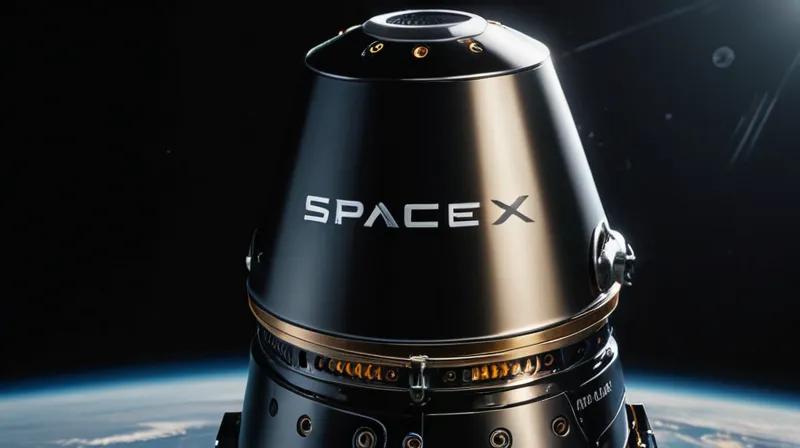
Learn how to install and use Cursor, the AI-powered coding tool that SpaceX has acquired, to write code faster with AI assistance.
Learn how Z.ai improved their AI model GLM-5.3 without rebuilding it from scratch, by giving it more targeted training. Understand the concept of scaled post-training and its impact on AI performance.
Google launches Gemini 3.7 Flash, a faster and more capable AI model that outperforms rivals while cutting its predecessor's price by half.
Learn how the Prime Agent, an open-source AI system, uses multiple specialized helpers to solve complex coding and research problems more effectively than humans.
This article explains how DeepSeek enhanced its DeepSeek-V4-Flash-0731 model through re-post-training, demonstrating how targeted fine-tuning can significantly improve AI capabilities in agentic reasoning and coding without changing the base architecture.
Learn how to build a basic AI agent system that separates planning from execution using OpenAI models, mimicking the concept of cheaper models handling most coding while more capable models plan the work.
Learn what Claude Opus 5 is, how it works, and why it's a major advancement in AI efficiency and safety.