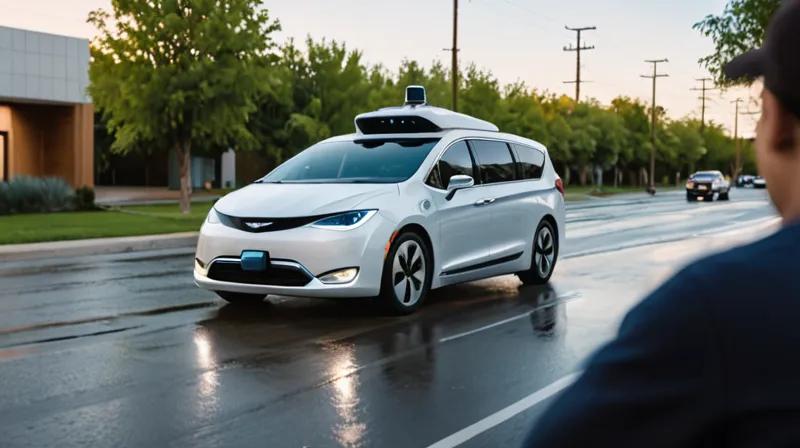
Waymo has temporarily suspended its autonomous taxi service in five U.S. cities after a recent software update failed to prevent its self-driving vehicles from entering flooded areas. The decision, announced on May 21, comes just two weeks after the company rolled out the patch to its entire fleet of 3,791 vehicles, highlighting ongoing challenges in ensuring the safety and reliability of autonomous driving systems in unpredictable weather conditions.
Software Glitch Leads to Service Halt
The latest incident occurred in Midtown Atlanta, where an unoccupied Waymo robotaxi became stuck in standing water on Wednesday evening. Despite the software update intended to detect and avoid flooded roads, the vehicle was unable to navigate around the hazard, prompting Waymo to pause service across Atlanta, Austin, Phoenix, San Jose, and Washington D.C.
This is not the first time Waymo has faced such issues. The company has struggled with weather-related navigation failures, particularly in urban environments where flood conditions can develop rapidly and are difficult for sensors to detect accurately. The recall underscores the complexity of real-world driving scenarios that autonomous vehicles must navigate, which often differ significantly from controlled testing environments.
Broader Implications for Autonomous Tech
The incident raises important questions about the readiness of autonomous vehicle technology for widespread deployment in cities prone to flooding or other weather-related hazards. While Waymo has been a leader in autonomous vehicle development, this setback highlights the gap between technological promise and real-world performance. Industry experts suggest that more robust sensor fusion, improved machine learning models, and better integration of real-time weather data are essential for future advancements.
Waymo’s move to suspend service in these cities reflects a cautious approach to safety, but it also signals a potential delay in expanding autonomous taxi services in urban areas. As the company works to refine its systems, the incident serves as a reminder that autonomous vehicles must be able to handle a wide range of environmental challenges to gain public trust and regulatory approval.
Conclusion
Waymo’s temporary suspension of robotaxi services in five cities marks a significant moment in the development of autonomous vehicle technology. While the company continues to push the boundaries of self-driving innovation, this latest failure demonstrates that real-world deployment remains fraught with challenges. As the industry moves forward, the balance between technological ambition and safety will be critical to long-term success.