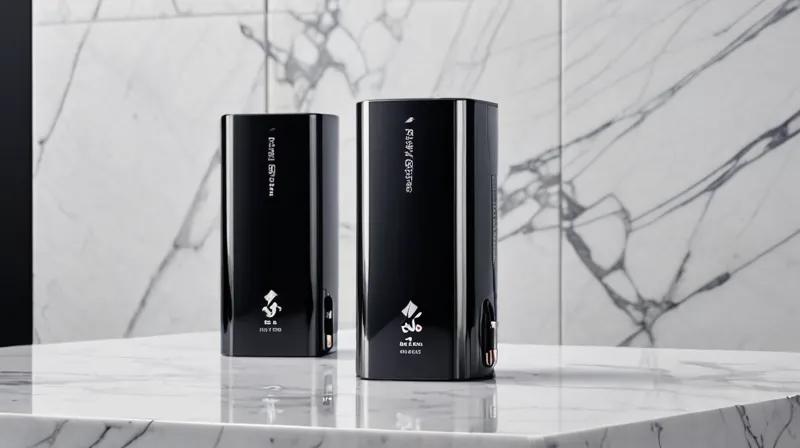
SoftBank Group is stepping into the energy storage space with a major new initiative aimed at supporting the growing demand for power in AI data centers. The company plans to begin manufacturing large-scale battery cells at a former Sharp plant in Sakai, Osaka, marking a strategic move into the energy infrastructure needed to power the next generation of artificial intelligence systems.
Massive Battery Production for AI Infrastructure
The facility, which will be operated by SoftBank’s mobile-services subsidiary, is set to produce one gigawatt-hour of battery capacity annually, starting in the fiscal year beginning next April. This production capacity is designed to meet the energy demands of data centers that are increasingly reliant on AI technologies. The project is being developed in partnership with South Korea’s Cosmos Lab and DeltaX, both of which bring expertise in battery technology and energy systems.
Technological Advancements on the Horizon
While the initial production will utilize existing battery chemistry, SoftBank has announced plans to transition to zinc-halide technology by 2027. This shift promises to offer improved energy density, longer lifespan, and potentially lower costs, all of which are critical for large-scale applications like AI data centers. The zinc-halide battery technology is being seen as a promising alternative to traditional lithium-ion systems, especially as the industry looks for more sustainable and scalable solutions.
Strategic Implications for AI and Energy
This development underscores the growing interdependence between AI innovation and energy infrastructure. As AI systems become more compute-intensive, the need for reliable, scalable, and sustainable energy sources becomes paramount. SoftBank’s entry into the battery manufacturing space not only positions the company at the forefront of the AI energy revolution but also highlights the broader industry trend toward vertical integration and self-sufficiency in critical supply chains.
The move is also indicative of the broader shift in global tech strategy, where companies are investing heavily in foundational infrastructure to support their long-term AI ambitions. With AI data centers projected to consume massive amounts of electricity, the race to secure efficient and sustainable energy solutions is intensifying.