Introduction
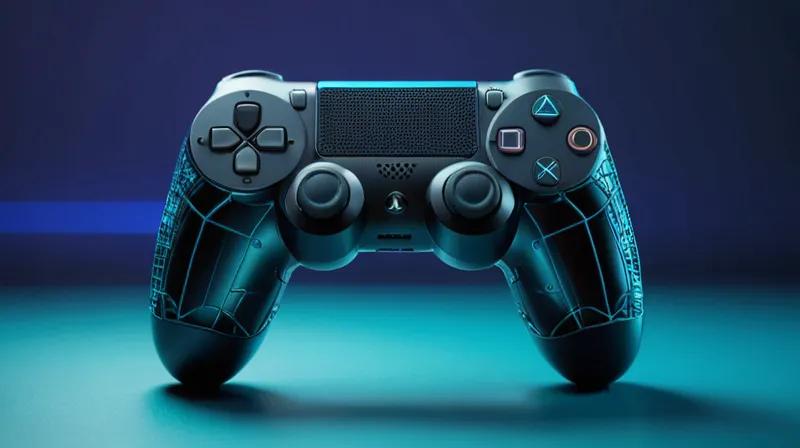
In this tutorial, you'll learn how to use generative AI tools to create game assets like character designs, environments, and visual effects. As demonstrated by Sony's PlayStation team, AI is becoming an essential tool for game development. This hands-on guide will walk you through creating your first AI-generated game asset using a popular online tool, helping you understand how AI can assist in the creative process.
Prerequisites
Before starting this tutorial, you'll need:
- A computer with internet access
- A web browser (Chrome, Firefox, or Edge recommended)
- A free account on an AI image generation platform (we'll use DALL·E 3 as an example)
- Basic understanding of what game assets are (characters, backgrounds, items)
Step-by-Step Instructions
Step 1: Sign Up for an AI Image Generation Platform
First, you'll need access to an AI image generation tool. For this tutorial, we'll use DALL·E 3, which is accessible through OpenAI's website. Visit https://www.openai.com/dall-e-3 and click on "Sign up" or "Log in" if you already have an account.
Why this step? AI image generators need an account to track usage and provide access to their tools. This is where you'll create your first AI-generated game asset.
Step 2: Prepare Your Game Asset Description
Before generating your asset, think about what you want to create. For example, if you're making a fantasy game, you might want to create a dragon character or a mystical forest environment. Write down a clear description of what you want to generate.
Why this step? The quality of your AI-generated asset depends heavily on how clearly you describe what you want. Think about details like colors, style, mood, and specific features.
Example descriptions:
- "A medieval knight in full armor, standing in a castle courtyard, detailed, 4K, fantasy style"
- "A futuristic spaceship interior, neon lighting, cyberpunk style, detailed environment"
Step 3: Create Your First AI-Generated Game Asset
Once you're logged in to your AI platform, locate the text input box where you'll describe your game asset. Type your description and click "Generate" or "Create".
Why this step? This is where the magic happens - the AI will analyze your description and create an image based on its training data and understanding of your request.
Try this example:
A brave warrior with a glowing sword, standing on a cliff overlooking a stormy sea, cinematic lighting, high fantasy art style, detailed character designStep 4: Review and Refine Your Generation
After the AI generates your image, you'll see several variations. Look through them and select the one that best matches your vision. If the result isn't quite right, you can usually ask for a refinement by providing more specific details or modifying your original prompt.
Why this step? AI generation isn't perfect on the first try. You'll often need to adjust your description or choose from multiple outputs to get exactly what you want for your game project.
Step 5: Download and Use Your Asset
Once you've selected your preferred image, download it to your computer. Most platforms will give you a download button or option to right-click and save the image. You can then open it in your preferred image editing software or directly use it in your game development project.
Why this step? The downloaded asset becomes part of your game development toolkit. You can use it as a reference, directly in your game, or as a starting point for further artistic work.
Step 6: Experiment with Different Styles and Variations
Try creating the same asset with different styles to see how AI adapts. For example, try the same warrior character but with:
- "Pixel art style"
- "Anime style"
- "Realistic photography"
- "Watercolor painting style"
Why this step? This demonstrates how AI can help you quickly explore multiple artistic directions for your game assets, saving you time in the creative process.
Step 7: Save and Organize Your Assets
Create a folder on your computer specifically for AI-generated game assets. Save all your downloaded images there with descriptive names like "warrior_character_fantasy.png" or "castle_interior_cinematic.png".
Why this step? Organizing your assets properly will help you find what you need quickly when working on your actual game project. It's a professional practice that makes development more efficient.
Summary
In this tutorial, you've learned how to use AI image generation tools to create game assets like characters and environments. You've discovered how to:
- Sign up for an AI platform
- Create clear descriptions for your game assets
- Generate and refine AI images
- Download and organize your assets
- Experiment with different artistic styles
This process mirrors what Sony's PlayStation team is doing - using AI as a powerful tool to accelerate their creative workflow. As AI continues to evolve, these tools will become even more essential for game developers of all sizes, from indie creators to major studios.