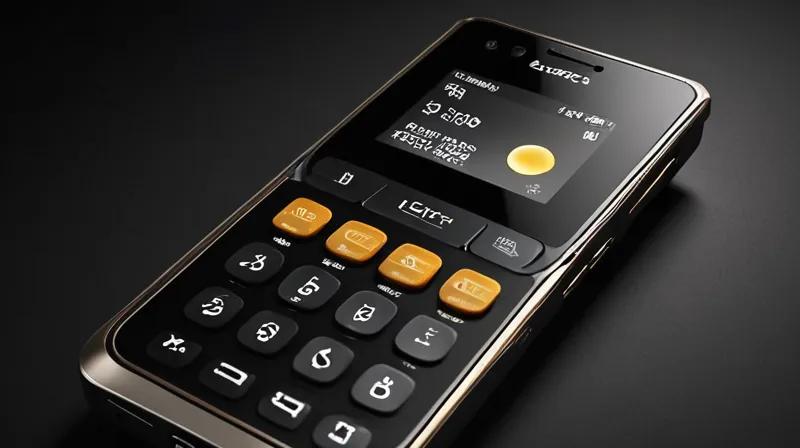
Light, the tech company known for its innovative approach to mobile communication, has unveiled a new flip phone priced at $299 that embraces a starkly minimalist philosophy. Unlike the smartphone giants that dominate the market, this device eschews apps and modern digital features in favor of a return to fundamental communication.
Design Philosophy: Less is More
The device's approach to minimalism is both intentional and refreshing. With no apps, no internet connectivity, and a focus on basic phone functions, Light's latest offering targets users who want to disconnect from the digital noise. The phone features a classic T9 texting interface, which many users find more intuitive and less distracting than modern touchscreens.
Targeting Digital Detox Needs
This flip phone appears to be designed for individuals seeking a digital detox while still maintaining essential communication capabilities. The company's strategy positions the device as a tool for people who want to stay connected without being overwhelmed by notifications, social media, or endless digital distractions. "We're not trying to compete with smartphones," said a Light spokesperson, "but rather offer an alternative for those who want to maintain human connection without the digital clutter."
The device's accessibility features and simple interface make it particularly appealing to older adults or those who struggle with complex smartphone interfaces. The $299 price point makes it an affordable option for people looking to simplify their digital lives without sacrificing basic communication functions.
Market Positioning
Light's approach reflects a growing market trend where consumers are seeking balance between connectivity and simplicity. As smartphone addiction becomes a recognized concern, products like this flip phone offer a compelling alternative. While it may not appeal to tech enthusiasts, it serves a clear niche in today's digital landscape.
The phone's design philosophy challenges conventional wisdom about what a modern communication device should be, suggesting that sometimes the best technology is the one that simply works without complications.