Introduction
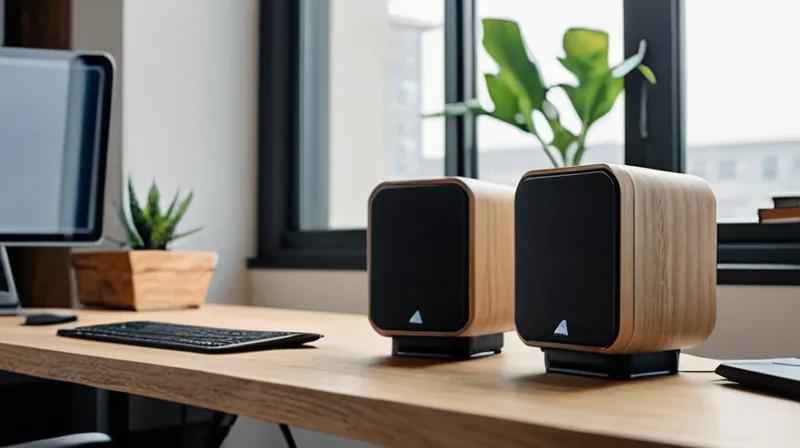
Bluetooth speakers are a great way to enhance your home audio experience without breaking the bank. Instead of replacing your existing speakers with expensive smart speakers, you can upgrade them with simple DIY modifications. In this tutorial, you'll learn how to transform your existing Bluetooth speakers into more powerful audio devices using basic electronics and a few affordable components. This beginner-friendly guide will show you how to add amplification, improve sound quality, and even create a multi-room audio setup using your existing hardware.
Prerequisites
Before starting this project, you'll need the following materials:
- Existing Bluetooth speaker (any model)
- Breadboard or perfboard
- Amplifier module (like LM386 or similar)
- Power supply (5V USB adapter or battery pack)
- Resistors (10kΩ, 100kΩ, 10Ω)
- Capacitors (10µF, 100µF, 0.1µF)
- Jump wires
- Soldering iron and solder
- Small enclosure or case
- Wire strippers and cutter
Basic understanding of electronics is helpful but not required. This project is designed for beginners with no prior electronics experience.
Step-by-Step Instructions
Step 1: Analyze Your Speaker
Before making any modifications, examine your existing Bluetooth speaker. Identify the input connections, power requirements, and speaker terminals. Understanding how your speaker is currently wired will help you avoid damaging components during the upgrade process.
Step 2: Prepare Your Workspace
Set up a clean, well-lit workspace with all your components laid out. Ensure you have good lighting to see small components and proper ventilation if using soldering equipment. Having everything organized will make the assembly process much smoother.
Step 3: Design Your Amplifier Circuit
For this project, we'll use the LM386 amplifier module, which is perfect for beginners due to its simplicity and reliability. The circuit requires:
LM386 Amplifier Module
- VCC to +5V power source
- GND to ground
- IN to Bluetooth speaker input
- OUT to speaker terminals
This simple configuration will boost your speaker's volume and clarity without requiring complex programming or advanced electronics knowledge.
Step 4: Solder the Components
Using your breadboard or perfboard, create the amplifier circuit:
- Connect the LM386 module to your power supply
- Solder the input connection from your Bluetooth speaker to the amplifier's input pin
- Connect the output from the amplifier to your speaker's terminals
- Ensure all ground connections are properly linked
Soldering requires patience. Make sure connections are secure and not too hot to avoid damaging components.
Step 5: Test the Circuit
Before finalizing your installation, test the circuit:
1. Connect your power source
2. Play audio through your Bluetooth speaker
3. Check for distortion or unusual sounds
4. Verify volume levels are improved
If you hear distortion, check your wiring connections and ensure proper grounding.
Step 6: Install in Speaker Enclosure
Once testing is successful, carefully install your circuit in the speaker's enclosure:
- Ensure all components fit properly in the available space
- Secure the circuit board with small screws or adhesive
- Route all wires neatly to prevent interference
- Close the enclosure, leaving access points for power connections
Proper installation ensures your upgraded speaker functions reliably in your home environment.
Step 7: Final Testing and Optimization
After installation, perform final tests:
1. Test with various audio sources
2. Adjust volume levels for optimal listening
3. Verify Bluetooth connectivity remains stable
4. Check for any heat buildup in components
Optimize placement and settings for the best audio experience in your specific room.
Summary
This tutorial demonstrated how to upgrade existing Bluetooth speakers using basic electronics components. By adding an amplifier circuit, you can significantly improve your speaker's performance without the expense of purchasing new smart speakers. The key benefits include increased volume, better sound quality, and enhanced reliability. This approach allows you to maximize the value of your existing audio equipment while learning fundamental electronics concepts. The skills gained from this project can be applied to other audio enhancement projects, making it a valuable foundation for future electronics endeavors.
Remember, safety is paramount when working with electronics. Always double-check connections and ensure proper power handling to prevent damage to your equipment or potential safety hazards.