Introduction
Imagine you could travel back in time to experience the very first computer operating systems that shaped our digital world. Sounds like science fiction, right? Well, thanks to modern technology, you can now do exactly that! A new project called the Virtual OS Museum lets anyone explore over 570 old operating systems from the past, all running on your modern computer. This isn't just a fun trip down memory lane – it's a fascinating glimpse into how computing evolved.
What is an Operating System?
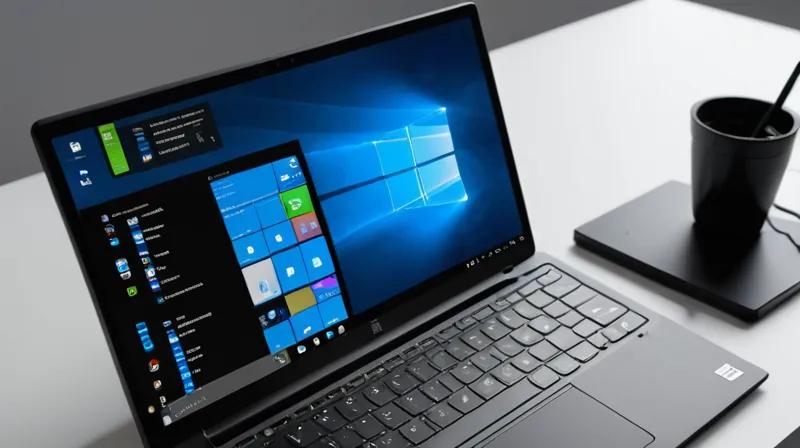
An operating system (or OS) is like the brain and manager of a computer. Think of it as the invisible layer that makes everything work together – from running your apps to managing your files and connecting to the internet. Just like how you need a driver to operate a car, your computer needs an operating system to operate.
Every computer has an operating system, whether it's Windows, macOS, or Linux. But back in the 1970s and 1980s, there were many different operating systems that people created. Some were simple, others were very complex. Each one was like a different way of organizing and managing a computer.
How Does the Virtual OS Museum Work?
The Virtual OS Museum uses something called virtualization. Virtualization is like creating a tiny, isolated world inside your computer where you can run old software without affecting your main system. It's similar to how you might build a sandbox in your backyard – you can play with sand and toys without making a mess in your house.
Inside this virtual world, the museum runs old operating systems like:
- Amiga Unix – a powerful system used for multimedia
- XVM/RSX – a system used in early computers
- Many others dating back decades
When you want to try one of these old systems, you simply click a button, and the museum creates a safe environment where that old OS can run, just like a movie playing in a theater. You can interact with it, install programs, and explore how people used computers decades ago.
Why Does This Matter?
Understanding old operating systems helps us appreciate how far technology has come. When we see how primitive early systems were, we can better understand why modern computers are so powerful and user-friendly. It's like comparing a bicycle to a rocket ship – they both move you forward, but in very different ways.
Additionally, this project is important for preserving computing history. Just like museums preserve old paintings or artifacts, the Virtual OS Museum preserves digital artifacts that might otherwise be lost forever. It's also a great educational tool for students and researchers who want to understand how computing evolved.
Key Takeaways
• An operating system is the core software that manages a computer's functions
• Virtualization lets you run old systems on modern computers safely
• The Virtual OS Museum allows anyone to explore over 570 historical operating systems
• This project helps preserve computing history and teaches us about technological progress
• You can explore these old systems on Windows, Mac, or Linux without needing special hardware
Whether you're a tech enthusiast, a student, or just curious about how computers have changed over time, the Virtual OS Museum offers a unique chance to experience the journey of computing history firsthand.