Google has entered the wearable health monitoring arena with a bold new device that's drawing immediate comparisons to established players in the space. The Fitbit Air, priced at $99, is a screenless fitness tracker that bears a striking resemblance to the Whoop band, prompting widespread speculation about Google's strategy in the competitive wearable market.
Design and Functionality
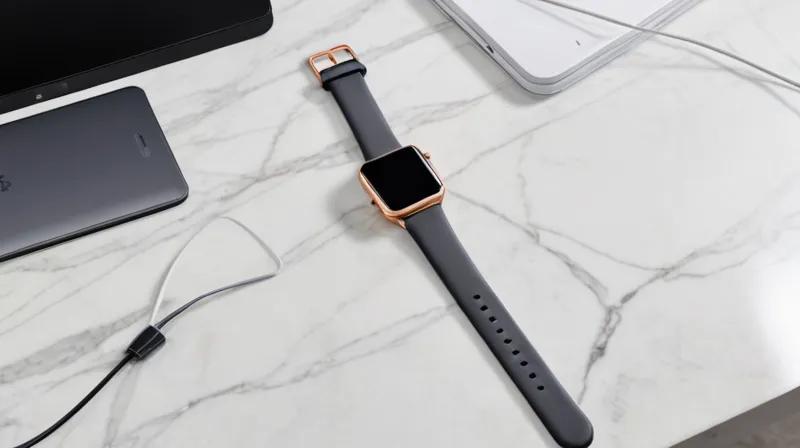
The device features a sleek, metallic fabric clasp and lacks a traditional display, relying instead on haptic feedback for notifications and data presentation. This minimalist approach mirrors the design philosophy of the Whoop band, which has gained popularity among fitness enthusiasts and health-conscious consumers for its unobtrusive wear and comprehensive biometric tracking.
While the Fitbit Air shares visual similarities with its competitors, Google is positioning it as a more accessible option, targeting budget-conscious consumers who still want advanced health monitoring capabilities. The device promises to track heart rate, sleep patterns, and activity levels, with the potential for integration into Google's broader ecosystem of health and wellness tools.
Market Implications
This move signals Google's ambition to expand beyond its core search and advertising business into the growing health tech sector. The company's entry into wearables could intensify competition with established players like Apple, Garmin, and Fitbit itself, while also potentially disrupting the market with its AI-driven insights and seamless integration with Google's services.
Industry analysts suggest that Google's approach may focus on making health data more actionable through machine learning algorithms, potentially offering personalized recommendations based on user behavior and biometric data. As the wearable health market continues to evolve, the Fitbit Air represents a significant step toward mainstream adoption of continuous health monitoring technology.
Whether this device will capture significant market share remains to be seen, but Google's entry into the space certainly adds a new dimension to the wearable health landscape.