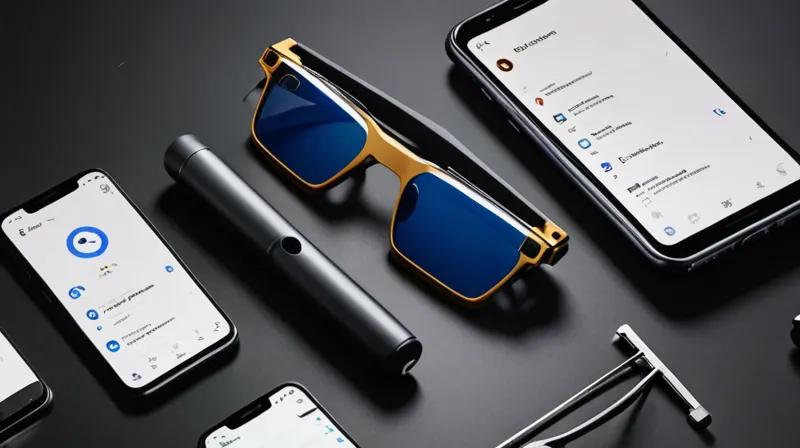
Google has unveiled its latest innovation in wearable technology at the IO 2026 conference, introducing a new line of smart glasses that emphasize audio interaction. The company is positioning these devices as "audio glasses," highlighting their focus on voice-controlled functionality that seamlessly integrates with Google's expansive ecosystem of apps and services.
Audio-Centric Design
The new smart glasses represent a strategic move by Google to compete with Meta's recently announced audio-powered devices. Unlike traditional smart glasses that rely heavily on visual displays, Google's offering prioritizes spoken commands and voice responses. Users can issue verbal instructions to perform tasks, access information, and interact with applications, all while keeping their hands free.
Integration with Google Ecosystem
Google's approach centers on deep integration with its existing suite of services, particularly Gemini, its advanced AI model. The glasses will leverage Gemini's capabilities to provide intelligent responses, process natural language queries, and execute complex tasks through voice interaction. This integration promises to create a more intuitive user experience, especially for those who prefer verbal communication over traditional touch interfaces.
Market Implications
With this announcement, Google is clearly signaling its intent to capture a growing segment of the wearable technology market. The audio-focused design addresses privacy concerns that have plagued visual smart glasses, while maintaining the convenience of voice interaction. Industry analysts suggest this approach could appeal to professionals, athletes, and users seeking hands-free productivity tools.
The timing of the announcement, coinciding with IO 2026, underscores Google's commitment to showcasing its AI-driven innovations. This move positions Google as a formidable competitor in the wearable space, potentially reshaping how users interact with smart technology in everyday settings.