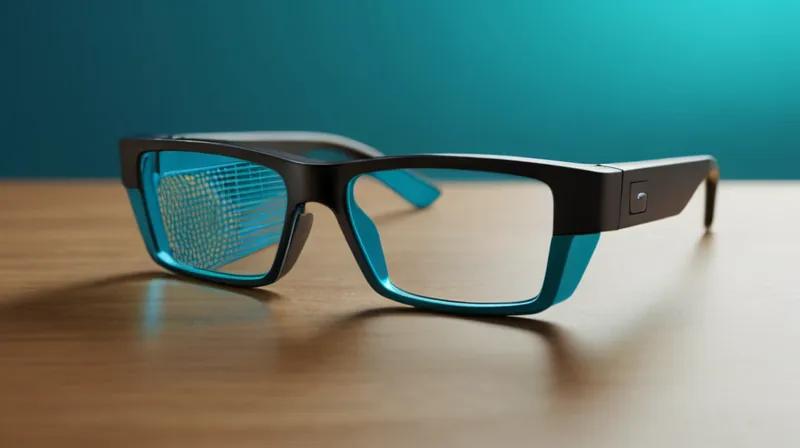
Google has entered the smart glasses market with a bold new approach, drawing inspiration from Meta's recent foray into audio-powered wearable technology. The tech giant unveiled its latest innovation under the name "audio glasses," emphasizing voice interaction as the primary means of control and functionality.
Focus on Voice and Integration
The new devices are designed to be worn like regular eyewear, but with a strong emphasis on audio capabilities. Users can issue verbal commands to control various functions, access information, and interact with Google's extensive ecosystem of apps and services. This includes seamless integration with Gemini, Google's advanced AI model, which serves as the backbone for processing voice requests and delivering relevant responses.
Strategic Positioning in Wearable Tech
This move represents Google's strategic response to the growing demand for hands-free, intelligent wearable devices. By focusing on audio interaction, Google aims to differentiate its offering from competitors who rely heavily on visual interfaces or touch controls. The company's approach aligns with broader industry trends toward more natural human-computer interaction, where voice commands are becoming increasingly sophisticated and reliable.
The timing of this announcement is particularly significant as major tech companies continue to explore the potential of wearable AI devices. Google's audio glasses position the company to compete directly with Meta's Quest glasses and other emerging smart wearable technologies, while leveraging its strong AI and cloud infrastructure to deliver a compelling user experience.
Looking Ahead
While details about pricing, availability, and specific features remain limited, the announcement signals Google's serious commitment to the wearable AI space. The company's ability to integrate its AI capabilities with audio-based interfaces could reshape how users interact with technology on a daily basis, potentially setting new standards for smart glasses in the consumer market.