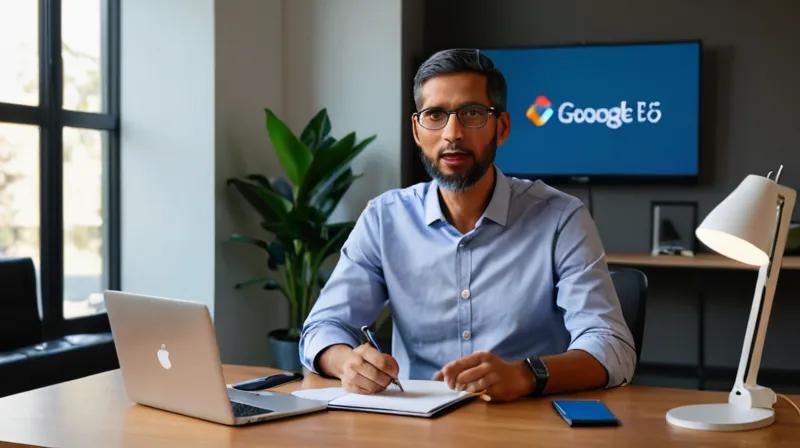
Google CEO Sundar Pichai has recently redefined the role of links in the company’s search algorithm, describing them not as the backbone of search, but as a "part" of the search experience. This subtle shift in language signals a broader transformation in how Google views its relationship with the web — from a neutral traffic distributor to a more curated AI-driven publisher.
From Distribution to Curation
This evolution marks a significant departure from traditional search paradigms, where links were the primary mechanism for surfacing relevant content. By reclassifying links as a component rather than a core element, Google is subtly asserting more editorial control over what users see and how they access information. This approach aligns with Google’s broader push toward AI-powered search, where content is not only retrieved but also synthesized and contextualized.
Implications for the Web
The change reflects Google’s growing influence over the digital landscape. As the company increasingly prioritizes its own AI-generated summaries and curated results, the traditional role of hyperlinks as gateways to external content is being diminished. This move raises concerns about the long-term health of an open web, where links have historically enabled the free flow of information and user autonomy.
By emphasizing AI-generated content and internal curation, Google risks concentrating power in its own hands, effectively turning search into a more controlled, proprietary experience. Analysts suggest this shift could redefine how users interact with the internet — not as a decentralized network of links, but as a curated stream of AI-enhanced information.
Conclusion
As Google continues to evolve, the redefinition of links in search is more than a semantic change — it's a strategic pivot that could reshape the future of the web. While it may improve user experience through smarter content delivery, it also underscores the growing centralization of information control in the hands of a few tech giants.