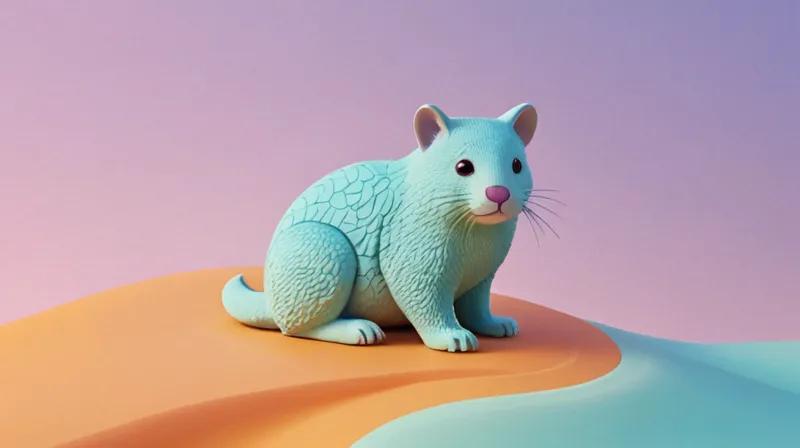
As artificial intelligence continues to advance, a troubling trend is emerging online: the proliferation of AI-generated animal content that blurs the line between reality and fiction. From viral social media posts to rescue appeal campaigns, digital manipulation is creating confusion among pet owners, wildlife advocates, and the general public.
The Rise of AI-Generated Animal Imagery
AI platforms like DALL-E, Midjourney, and various image generators have made it increasingly easy to create photorealistic images of animals. These tools can produce everything from adorable kittens to majestic polar bears, often indistinguishable from real photographs. The technology's accessibility means that anyone with internet access can generate convincing animal imagery, raising serious concerns about authenticity and misinformation.
Impact on Rescue and Conservation Efforts
Animal rescue organizations and wildlife groups are particularly concerned about the implications of AI-generated content. "We're seeing people share fake animal images in rescue campaigns, leading to confusion and potentially harmful consequences," said a spokesperson from a major animal welfare organization. These fake images can mislead the public about animal welfare conditions, affect fundraising efforts, and even impact conservation research. The problem is especially acute when AI-generated animals are used to create misleading content about endangered species or to manipulate public sentiment.
Looking Forward
Experts suggest that new digital literacy initiatives and content verification tools may be necessary to combat this issue. "We need to develop better ways to identify AI-generated content," noted a digital ethics researcher. As AI technology becomes more sophisticated, the challenge of distinguishing real from artificial animal imagery will only intensify. The online animal community is calling for industry-wide standards and clearer labeling of AI-generated content to preserve trust and authenticity in digital spaces.
The debate over AI-generated animal content reflects broader concerns about digital authenticity in our increasingly AI-powered world.